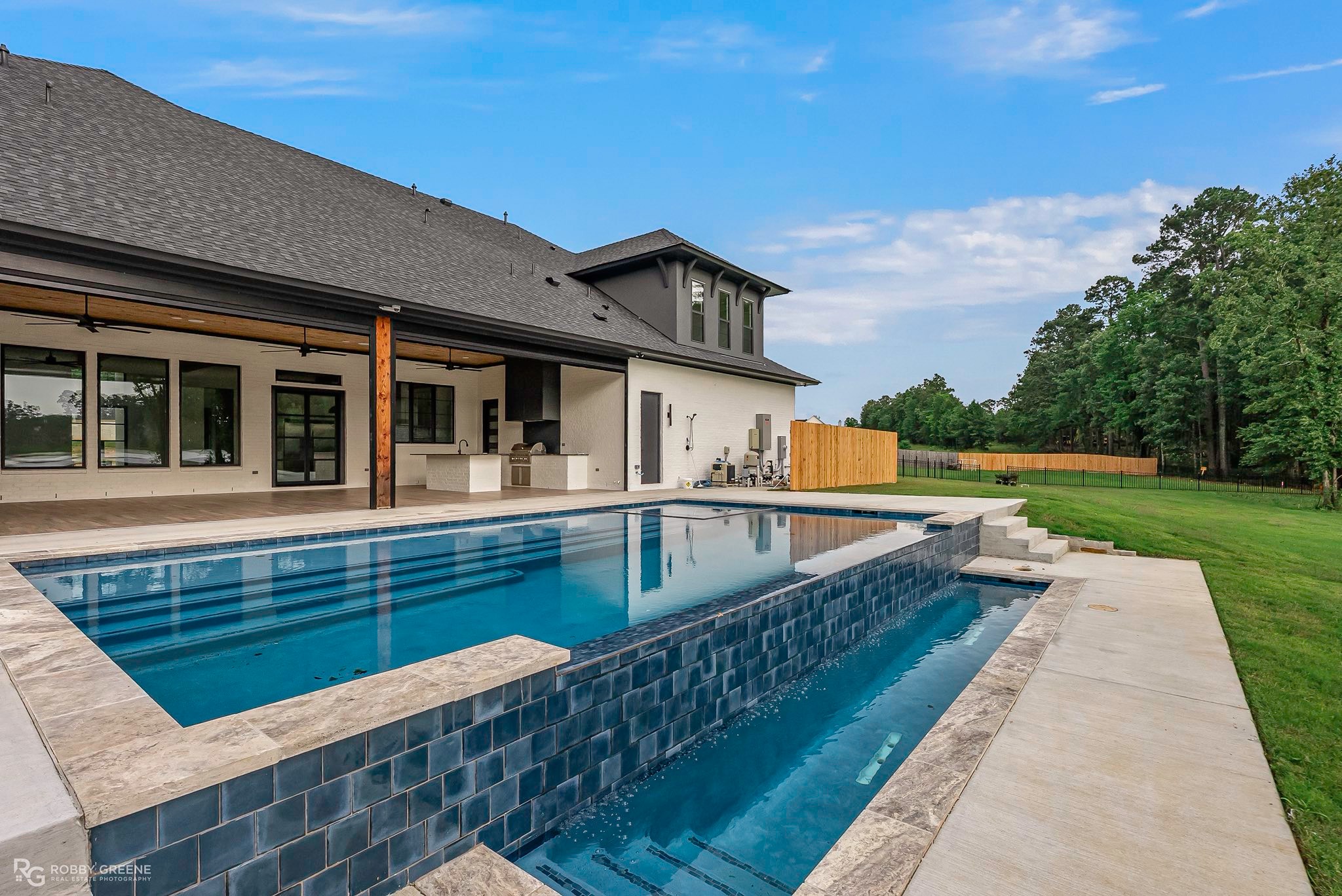
Smart Landscaping: Integrating Eco-Friendly Practices for Beautiful Outdoor Spaces Jan 24, 2026
First and foremost, understanding your local ecosystem is crucial. Every region has its own unique climate, soil type, and native plant species. By embracing the native flora, you reduce the need for excess water and pesticides, fostering a more sustainable environment. Native plants are naturally adapted to local weather conditions; they thrive with minimal intervention and attract beneficial wildlife like pollinators, which are essential for the health of your garden. Consider incorporating a variety of these plants into your landscaping design to create a vibrant, low-maintenance outdoor space.
Water conservation is another key component of smart landscaping. Implementing a rainwater harvesting system can greatly reduce your reliance on municipal water supplies. Installing rain barrels at the downspouts to collect runoff is a practical solution that ensures an accessible source of water for irrigation. Furthermore, opt for drip irrigation systems over traditional sprinklers. These systems deliver water directly to the plant roots, minimizing evaporation and water wastage. At Daniel Michaels, Inc., we recommend using mulch around plants to retain soil moisture and suppress weed growth.
The concept of xeriscaping is becoming increasingly popular among eco-conscious homeowners. Xeriscaping focuses on designing landscapes to reduce or eliminate the need for irrigation. It involves the strategic placement of drought-tolerant plants and using resources efficiently. Not only does this approach result in significant cost savings on water bills, but it also contributes to the conservation of this precious natural resource. Replace your conventional lawns with rock gardens or areas covered with native grasses that are adapted to your local environment.
Another innovative strategy to incorporate into your smart landscaping efforts is the use of permeable paving materials. Traditional concrete and asphalt surfaces contribute to runoff, which can lead to erosion and water pollution. Permeable pavers, on the other hand, allow water to seep into the ground, replenishing groundwater tables and reducing stormwater runoff. Implement these materials for pathways and driveways to balance functionality with environmental impact.
When planning your smart landscaping project, consider the role of sustainable materials. Recycled or reclaimed materials give new life to what might otherwise end up in a landfill. Old bricks, wood, and stones can be repurposed to add character and texture to your outdoor areas. This not only enhances the aesthetic value of your landscape but also aligns with eco-friendly practices.
Finally, lighting can play a transformative role in outdoor spaces. Opt for solar-powered lights that harness the sun’s energy and require no electrical wiring. These lights are not only energy-efficient but also easy to install and maintain, providing an inviting ambiance to your garden areas after dusk.
In conclusion, integrating eco-friendly practices into your landscaping efforts does not just beautify your home; it contributes to a sustainable future. At Daniel Michaels, Inc., we believe that adopting these smart landscaping solutions is a step towards achieving a harmonious balance between our built and natural environments. By taking these actions, you ultimately create outdoor spaces that are both stunning and sustainable, enhancing your quality of life while preserving our planet for future generations.
/filters:no_upscale()/filters:format(webp)/media/364c8f7e-6e0a-453c-9e8d-e6cb568dfa2d.jpeg)