Reimagining Multi-Generational Homes: Designing Spaces for Family Connection Feb 10, 2026
The core of multi-generational home design lies in creating spaces that allow for both privacy and togetherness. It’s crucial for every family member to have their personal space where they can unwind. Simultaneously, shared spaces should encourage interaction and collective activities. To achieve this balance, thoughtful design and innovative use of space are key.
One effective way to meet the needs of a multi-generational household is through flexible design solutions. Rooms that can serve multiple purposes are invaluable. For example, a guest room that doubles as a home office or a hobby area can accommodate different needs as they arise. Open floor plans also enhance adaptability, allowing for easy changes to accommodate the evolving dynamics of a family.
Another essential element in designing multi-generational homes is accessibility. As families plan for the long term, it is important to think about aging in place. Incorporating features like wider doorways, step-free entrances, and bathroom accommodations can make the home comfortable and accessible for older family members. These modifications not only provide immediate benefits but also future-proof the home for the family's changing needs.
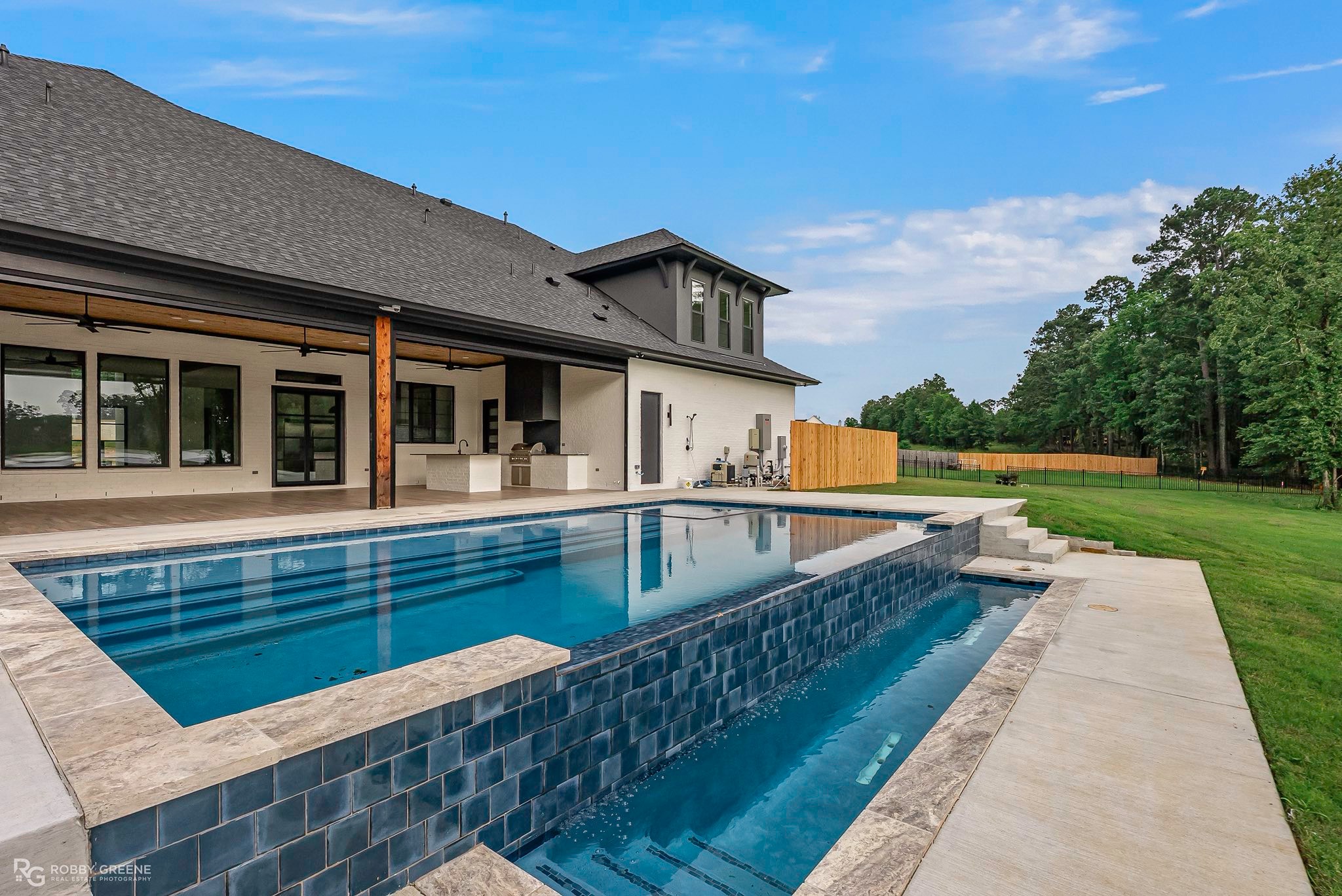
Communication and connectivity play a pivotal role in designing spaces that bring families together. Consider integrating technology that supports family bonding, like smart home systems that help manage household tasks efficiently or media centers that encourage shared activities such as movie nights or game sessions. However, it’s also important to design spaces that encourage unplugged time. Outdoor areas, such as a well-equipped patio or a cozy garden nook, can become favorite spots for family gatherings or quiet contemplation.
The kitchen, often called the heart of the home, is another critical area in multi-generational living. A well-designed kitchen encourages collaboration and is a natural gathering spot. An island can serve as the perfect space for cooking together, doing homework, or sharing meals. Ample seating and efficient storage solutions ensure the kitchen remains an inviting and functional hub for daily interactions.
It is essential to involve all members of the household in the design process. Encouraging input from everyone ensures that the home meets diverse needs and reflects the family’s collective tastes. This participatory approach not only results in a home that is truly inclusive but also strengthens the family’s connection to the space.
In conclusion, reimagining multi-generational homes is about marrying practicality with connection. Daniel Michaels, Inc. is committed to crafting living spaces that respect individual needs while fostering togetherness. By prioritizing flexibility, accessibility, and shared spaces, families can create homes that are more than just a shelter—they become sanctuaries where relationships are nurtured and cherished. As families grow and change, so too can their homes, reflecting the continuum of life’s journey together. With careful planning and thoughtful design, every home can be a harmonious blend of personal freedom and family unity.
/filters:no_upscale()/filters:format(webp)/media/364c8f7e-6e0a-453c-9e8d-e6cb568dfa2d.jpeg)