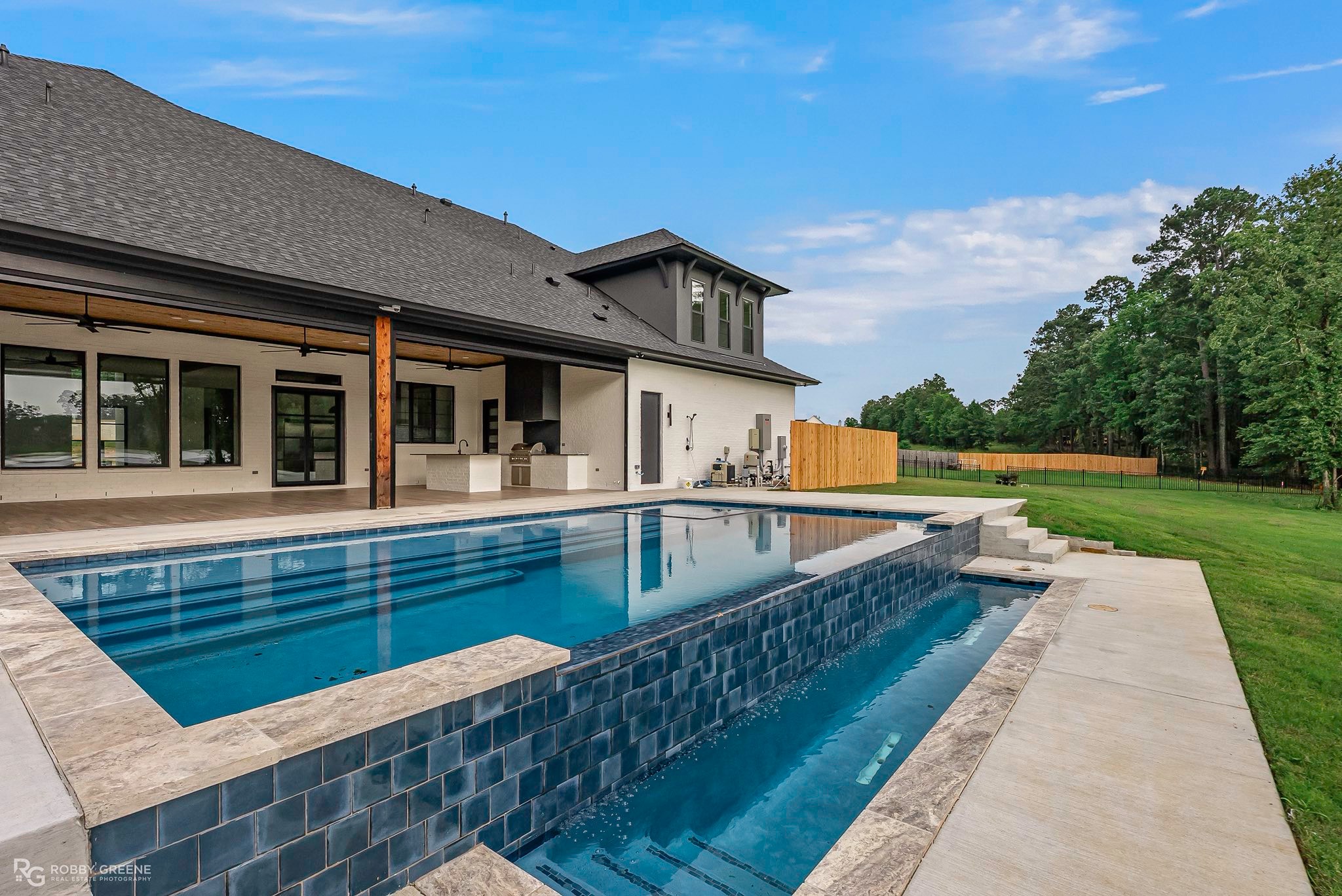
Healthy Homes: Incorporating Wellness Features into Your Living Space Mar 21, 2026
One of the first steps in promoting a healthy home environment is optimizing indoor air quality. Many homes have unseen pollutants that can affect the health of residents. By utilizing high-efficiency particulate air (HEPA) filters in your HVAC system, you can significantly reduce the presence of allergens and pollutants. Additionally, integrating plants into your home decor can be both aesthetically pleasing and beneficial for air purification. Certain plants, like snake plants and spider plants, are known for their ability to absorb toxins and release clean oxygen.
Lighting is another critical aspect of a wellness-focused home. Optimizing natural light not only enhances mood but also regulates circadian rhythms, promoting better sleep. Consider installing larger windows or skylights to allow ample sunlight to flood your living space. For evening hours, adjustable LED lighting that mimics natural daylight can help maintain your body's natural cycle and reduce stress.
The materials used in home construction and decoration can also play a pivotal role in wellness. Opt for non-toxic building materials that do not emit harmful volatile organic compounds (VOCs). These can include low-VOC paints and finishes. Floorings made from natural materials such as bamboo or cork not only reduce chemical exposure but also incorporate sustainable practices into your home design.
Another wellness feature to consider is the incorporation of biophilic design elements. This involves creating a connection between your indoor environment and nature. Elements such as indoor water features, natural textures, and detailed woodwork can bring the calming effects of the outdoors inside your home. These elements are known to reduce stress and enhance concentration and creativity.
Smart home technology has also made it easier to maintain a healthy living environment. Smart thermostats and air quality monitors can keep track of indoor conditions, ensuring optimal temperature and humidity levels. Furthermore, voice-activated systems can make it easy to adjust settings without physical effort, making them especially useful for physically challenged family members.
Finally, the design and layout of your home can significantly affect your mental well-being. Creating open spaces that encourage movement and social interaction can foster a positive atmosphere. Consider versatile furniture arrangements that can adapt to your lifestyle needs, promoting flexibility and function. Adding personal touches like family photos or artwork can also contribute to a sense of belonging and contentment.
In summary, incorporating wellness features into your home is a holistic approach to improving your quality of life. At Daniel Michaels, Inc., we are committed to helping you integrate these elements into your space, creating an environment that not only meets but exceeds your well-being goals. By focusing on air quality, lighting, materials, nature integration, and smart technology, you can transform your home into a healthier and happier place to live. Whether you are building a new home or renovating an existing one, these enhancements are valuable investments in your health and happiness.
/filters:no_upscale()/filters:format(webp)/media/364c8f7e-6e0a-453c-9e8d-e6cb568dfa2d.jpeg)